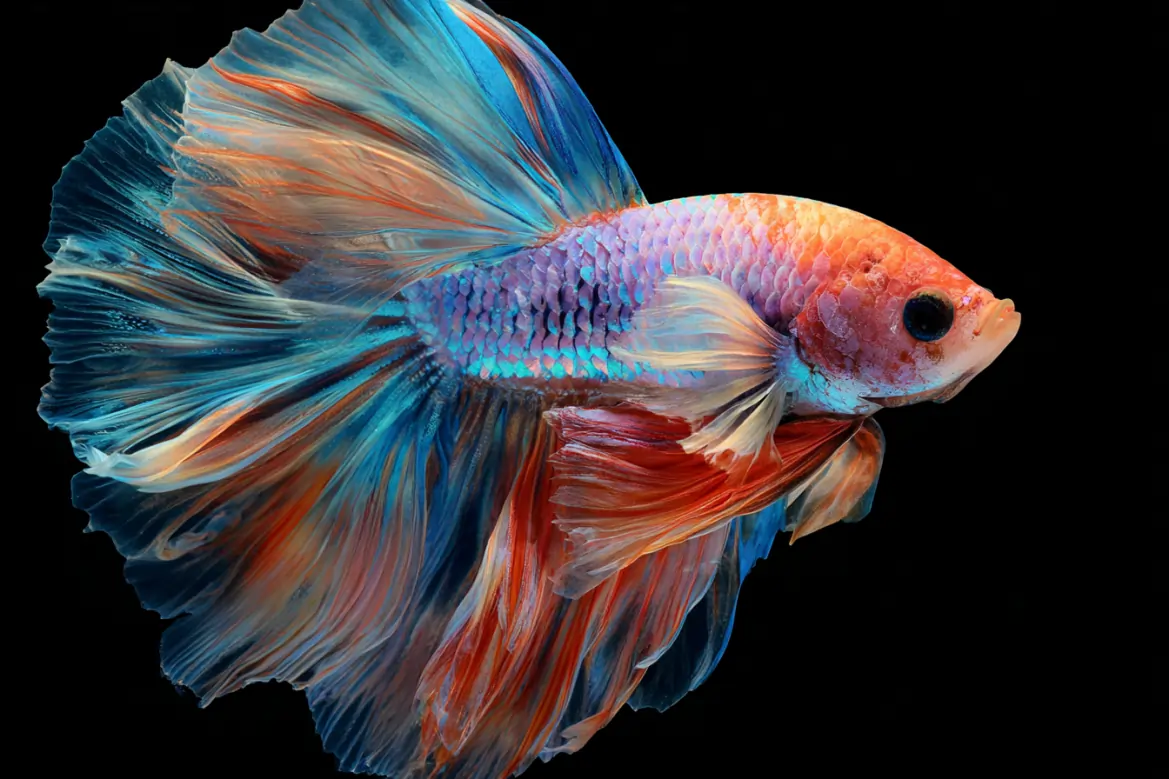
Betta fish, also known as Siamese fighting fish, have become one of the most sought-after aquarium species due to their vibrant colors, fascinating behavior, and relatively low-maintenance care requirements. However, finding the right betta for your home aquarium and understanding their pricing can be a complex process influenced by numerous factors. Here’s a comprehensive guide to help you navigate this journey effectively.
Where to Find Bettas for Sale
- Widely available and convenient.
- Allows you to examine the fish in person.
- May have limited variety compared to specialty shops or online sellers.
- Often carry high-quality or unique varieties of bettas.
- Staff are typically more knowledgeable about proper care and breeding practices.
- Prices may be higher than general pet stores due to specialized stock.
- Ideal for finding rare or exotic betta types.
- Offers access to breeders from around the world.
- Shipping costs may apply, and buyers should ensure that sellers follow safe shipping practices.
| Source | Advantages | Considerations |
| Local Pet Stores | Convenient; Inspect fish in person | Limited variety |
| Specialty Shops | Higher-quality stock; Expertise | Higher cost |
| Online Marketplaces | Rare/exotic varieties available | Shipping fees; Verify seller trust |
Understanding Betta Fish Pricing
Pricing for bettas can vary significantly depending on factors like physical traits, rarity, and source of purchase. Knowing what influences these costs will help you make an informed decision.
- Tail Type & Fin Shape
Bettas are classified by their tail shapes, with some being more common (and affordable) than others: - Veil Tail (VT): The most common type; typically priced lower.
- Crowntail (CT): Recognizable by its spiked fins; moderately priced.
- Halfmoon (HM): Known for its dramatic fan-like tail spread; tends to be more expensive.
- Plakat (PK): Short-finned variant popular among enthusiasts; prices range based on coloration.
- Coloration
Betta fish come in a dazzling array of colors: - Solid colors like blue or red are often less expensive.
- Rarer hues such as metallics, pastels, or multi-colored patterns command higher prices.
- Genetics & Breeding Lineage
High-quality breeding can influence both health and appearance: - Line-bred show-quality bettas tend to cost more due to selective breeding efforts.
- Wild-type bettas may also fetch premium prices because of their rarity in captivity.
- Rarity
Some varieties such as Koi Bettas or Galaxy Bettas are highly sought after: Their unique patterns make them collector favorites but also drive up prices substantially. - Age & Size
Juvenile bettas are usually cheaper than fully grown adults because they’ve yet to display their full coloration or fin development.
Tips When Comparing Costs
- Research market prices beforehand using multiple sources.
- Avoid purchasing from overcrowded tanks where stress levels could compromise health.
- Prioritize breeders or sellers who emphasize ethical breeding practices over mass production.
Discover Why a Betta Fish Online Shop Is Perfect for Aquarium Enthusiasts
Betta fish, scientifically known as Betta splendens, are among the most captivating freshwater fish species that aquarium enthusiasts adore. Their vibrant colors, intricate fin structures, low maintenance requirements, and unique behaviors make them stand out from other fish species. Let’s explore what makes these fascinating creatures such a popular choice for aquariums.
Vibrant Colors and Stunning Varieties
One of the most striking features of betta fish is their breathtaking array of colors and patterns. They can exhibit hues ranging from deep reds to iridescent blues, greens, purples, or even metallic shades. These colors are further enhanced by selective breeding practices over generations.
- Veil Tail (VT): The most common type with long flowing fins.
- Crown Tail (CT): Recognized by its fringed tail edges resembling a crown.
- Halfmoon (HM): Known for its fan-like tail that opens to 180 degrees.
- Plakat: A short-finned variety resembling wild bettas.
- Double Tail (DT): Characterized by two distinct caudal lobes.
These visually striking appearances make bettas a centerpiece in any aquarium setup.
Personality and Unique Behaviors
Betta fish are renowned not only for their beauty but also for their distinct personalities. Unlike many other fish species that behave passively in an aquarium, bettas are active and curious creatures. They often interact with their surroundings and even recognize their owners over time.
- Flaring: Bettas flare their gills and spread their fins when they feel threatened or territorial. This display is both a defense mechanism and a stunning visual show.
- Bubble Nest Building: Male bettas build bubble nests on the water surface as part of their breeding behavior. This instinct is fascinating to observe in captivity.
- Interactive Responses: Bettas may follow your finger along the glass or come to the surface during feeding times, making them one of the more engaging pet fish.
Low Maintenance Requirements
Another reason why bettas are so popular is that they require relatively simple care compared to some other aquatic species. While they do need specific conditions to thrive, they aren’t overly demanding in terms of equipment or upkeep.
| Requirement | Details |
| Tank Size | Minimum 5 gallons recommended for optimal health |
| Water Conditions | Warm water between 76–82°F; pH level around 6.5–7.5 |
| Diet | High-protein diet including pellets, frozen food like bloodworms |
| Filtration | Gentle filtration system to avoid stress |
| Tank Decoration | Plants (live or artificial), hiding spots like caves |
These moderate needs make them suitable for beginners while still appealing to experienced aquarists who enjoy designing creative tanks.
Longevity Compared to Other Fish
While many small freshwater species have lifespans of only 1–2 years, healthy bettas can live up to 3–5 years with proper care. This longevity provides owners with ample time to build a connection with these intelligent animals.
The combination of vivid coloration, individualistic behaviors, ease of care, and longevity contributes significantly to the popularity of betta fish as one-of-a-kind pets in home aquariums. For beginners stepping into the world of aquatics or seasoned hobbyists looking for an engaging addition to their collection, bettas are an excellent choice deserving admiration and proper care.
How to Buy Betta Fish for Sale: Key Factors Like Tail Type and Genetics
Betta fish, also known as Siamese fighting fish, are admired for their vibrant colors, elegant fins, and unique personalities. Their pricing can vary significantly depending on several factors. Understanding these key aspects can help enthusiasts make informed purchasing decisions: https://splashyfishstore.com/collections/betta-fish-by-quality-grade
1. Tail Type and Fin Structure
- Veil Tail: The most common type with long flowing tails; typically more affordable due to their widespread availability.
- Crowntail: Characterized by spiky extensions on the rays of the fins; moderately priced depending on coloration.
- Halfmoon: Known for their 180-degree spread when flaring; often priced higher due to their dramatic appearance.
- Plakat: Short-finned bettas resembling wild varieties; can be moderately or highly priced based on color rarity.
- Double Tail: Featuring two distinct caudal lobes; often more expensive because breeding them is more complex.
- Rosetail/Feathertail: These types showcase highly ruffled fins that resemble petals; considered premium varieties due to their rarity.
| Tail Type | Description | Pricing Range |
| Veil Tail | Common with flowing tails | Low |
| Crowntail | Spiky fin rays | Moderate |
| Halfmoon | 180-degree spread tail | High |
| Plakat | Short-finned with natural appeal | Moderate-High |
| Double Tail | Two distinct caudal lobes | High |
| Rosetail | Ruffled/petal-like fins | Premium |
2. Genetic Traits and Rarity
- Solid colors like red or blue are usually less expensive due to their prevalence.
- Iridescent colors (e.g., metallic or dragon scale) command higher prices given their unique shimmer.
- Rare colors like koi patterns or galaxy marble add significant value.
- Marble patterns with shifting pigmentation are sought after but unpredictable in terms of stability.
- Butterfly markings (a solid color transitioning into translucent edges) are highly prized.
3. Age and Size
Younger juvenile bettas are often more affordable than fully mature adults because they have yet to reach their full coloration and fin development. However, adult bettas that exhibit exceptional traits may come at a premium price due to their established aesthetic qualities.
4. Breeding Practices
Ethical breeding practices also influence pricing. Bettas from experienced breeders who focus on quality genetics, healthy stock, and optimal living conditions may cost more than mass-produced fish sold in chain pet stores.
- Research reputable breeders who specialize in rare varieties or prioritize ethical practices.
- Evaluate the health signs of a betta—bright coloration, active behavior, and well-maintained fins indicate good quality.
By understanding these factors—tail type, genetics, age, size, and breeding practices—you’ll be better equipped to select a betta that aligns with your preferences while appreciating its market value.
Key Factors That Influence Betta Fish Pricing Including Tail Type and Genetics
When it comes to betta fish pricing, there are several factors that significantly impact their cost. Understanding these elements can help potential buyers make informed decisions about the type of betta they want and how much they should expect to pay. Below, we’ll explore key aspects such as tail types, coloration, genetics, and more.
1. Tail Types and Fin Variations
The shape and size of a betta’s tail are among the most prominent features that determine its price. Certain tail types are rarer and require more specialized breeding practices, leading to higher costs.
- Veil Tail (VT): The most common and affordable variety due to its widespread availability. Prices typically range from $3 to $10.
- Crown Tail (CT): Known for its spiky fin edges resembling a crown. Slightly more expensive, ranging from $5 to $15.
- Halfmoon (HM): Features a wide, half-circle-shaped tail. These are highly sought after and cost between $15 and $40.
- Plakat (PK): With shorter fins resembling wild bettas, plakats can vary in price based on coloration but generally range from $10 to $30.
- Rosetail/Dumbo Ear: These unique variations with flowing tails or oversized pectoral fins can fetch prices upwards of $30-$50 or more.
2. Coloration
Color is another primary factor influencing the price of bettas. Breeders often focus on creating vibrant or rare colors that make these fish highly desirable.
- Solid Colors: Bettas in standard solid shades such as blue or red tend to be more affordable ($3–$15).
- Bi-Colored/Butterfly Patterns: These colorations feature distinct contrasts between body and fin colors, costing around $10–$25 depending on their vibrancy.
- Koi/Multi-Colored Bettas: Mimicking koi fish patterns, these varieties may command prices between $20–$60 depending on the complexity of their patterns.
- Metallic or Iridescent Colors: Stunning hues like copper or marble often increase the value significantly ($25–$50).
3. Genetics
| Genetic Trait | Description | Price Range |
| Marble Gene | Creates ever-changing colors over time | $20–$60 |
| Dragon Scale | Thick iridescent scaling over the body | $30–$80 |
| Albino | Extremely rare due to lack of pigmentation | Can exceed $300 |
These genetic variations require controlled breeding environments with a high degree of expertise, contributing heavily to their cost.
4. Breeder Reputation
Purchasing your betta from a reputable breeder adds value due to guaranteed health standards, proper care during breeding, and access to unique varieties not commonly found in pet stores.
- Local breeders may charge anywhere from $20–$100 depending on rarity.
- High-profile international breeders often sell competition-grade or rare-specimen bettas for hundreds—or even thousands—of dollars.
5. Availability
- Common pet store varieties like veil tails are mass-produced and budget-friendly.
- Rare imports such as wild species (Betta imbellis or Betta macrostoma) are priced higher due to limited availability and importation costs.
Understanding these factors will help you navigate the wide range of options when shopping for your ideal betta fish while ensuring you get good value for your purchase decision—all while considering your budgetary constraints carefully.
Tips for Selecting the Perfect Betta Fish for Your Aquarium
Choosing the perfect Betta fish for your aquarium requires careful consideration of several important factors. Bettas are known for their vibrant colors, unique personalities, and beautiful fin structures, but selecting the right one involves more than just aesthetics. Below is a guide to help you make an informed decision.
Assess the Health of the Betta
When selecting a Betta fish, it is crucial to evaluate its overall health. Here are some key signs of a healthy Betta:
– Bright and vibrant colors: Dull or faded coloration can indicate stress or illness.
– Active behavior: A healthy Betta will be alert and curious, often swimming around its tank rather than remaining motionless at the bottom.
– Clear eyes: Cloudy eyes may point to poor health or improper care.
– Undamaged fins: Look for fins that are intact without signs of tearing or rot.
If you notice any signs such as lethargy, clamped fins, or discoloration, it’s best to choose another fish.
Consider Tail Type and Fin Structure
Betta fish come in a variety of tail and fin types, each with its own unique appeal. Some common types include:
– Veil Tail (VT): The most common type with long flowing tails that curve downward.
– Crown Tail (CT): Recognized by their spiked and webbed appearance resembling a crown.
– Halfmoon (HM): Their tail opens to create a semi-circle or “half-moon” shape when flared.
– Plakat (PK): Known for their shorter fins and more natural look compared to other varieties.
Your choice should align with your aesthetic preferences while also considering the care needs associated with certain tail types; longer-finned Bettas may require more attention due to susceptibility to fin damage.
Match Personality with Your Aquarium Setup
Bettas have distinct personalities, so observing their behavior before purchase is essential:
1. If you’re introducing your Betta into a community tank, opt for one displaying calm behavior as aggressive individuals might harm tank mates. 2. For solitary tanks where they’ll be the centerpiece, look for Bettas that actively interact with their environment.
Think About Color Variations
Bettas exhibit a rainbow of colors including red, blue, green, orange, purple, white, and even metallic hues: – Solid-colored Bettas offer simplicity and elegance. – Multi-colored Bettas provide striking patterns such as bi-color or marble designs. – Rare variations like Koi bettas mimic the patterns seen in Koi fish.
Color preference is subjective; however high-demand hues like solid white (“opaque”) or rare metallic shades may cost more.
| Type | Description | Care Considerations |
| Veil Tail | Long flowing tail | Prone to fin tears |
| Crown Tail | Spiked appearance resembling crown | Regular maintenance required |
| Halfmoon | Semi-circle tail when flared | May require larger tank due to size |
| Plakat | Shorter tail resembling wild cousins | Easier maintenance |
Ensure Proper Housing Conditions Are Available
Before bringing home your new companion: 1. Confirm that your tank size meets species requirements—the minimum is 5 gallons per Betta. 2. Ensure proper water conditions including temperature (78–82°F) and filtration systems. 3. Avoid overcrowding if introducing tank mates; research compatibility beforehand.
By carefully evaluating these aspects during selection—health indicators such as active behavior combined w/visual traits & environmental matching—you can find ideal companion fitting personal preferences alongside optimal well-being
Understanding Breeding Practices and Rare Betta Varieties
Breeding practices and the cultivation of rare betta varieties are topics of great interest to both novice and experienced aquarium enthusiasts. Betta fish, also known as Siamese fighting fish, are highly sought after not only for their vibrant colors but also for their unique fin shapes and patterns. Understanding breeding techniques and the development of rare varieties can help hobbyists appreciate the factors that contribute to these fascinating fish’s diversity.
Selective Breeding in Betta Fish
- Coloration: Intense blues, reds, iridescent greens, or even marble-like patterns are achieved through generations of selective breeding.
- Fin Types: Unique fin shapes like halfmoon, crowntail, or double tail are developed through careful genetic pairing.
- Behavioral Traits: While less common, some breeders focus on temperament to produce bettas that are less aggressive.
- Identify two parent fish with complementary traits.
- Condition the breeding pair by feeding high-quality live or frozen foods (e.g., brine shrimp or bloodworms).
- Create an appropriate spawning environment with a shallow tank, warm water (78–82°F), and floating plants for bubble nests.
- Monitor fry (baby fish) growth closely after hatching to identify which offspring exhibit desired traits.
Rare Betta Varieties
| Variety Name | Key Features | Reason for Rarity |
| Koi Betta | Multicolored patterns resembling koi fish | Requires precise genetic combinations |
| Galaxy Betta | Iridescent spots resembling stars on dark bodies | Limited supply from specialized breeders |
| Alien Hybrid Betta | Metallic sheen with unique body structures | Crossbreeding between wild types and captive strains |
| Dumbo Ear Betta | Large pectoral fins resembling elephant ears | Genetic mutation not found in all populations |
These stunning varieties often come at premium prices due to the skill required for breeding and their limited availability.
Ethical Considerations in Breeding
- Avoid overbreeding pairs to ensure healthy offspring.
- Provide spacious environments for juvenile fish to grow without overcrowding.
- Prioritize health over aesthetics by selecting robust parent fish free from deformities.
Hobbyists should research breeders thoroughly before purchasing rare bettas to ensure they support ethical practices that prioritize the welfare of these animals.
Caring for Rare Bettas
- Maintain pristine water conditions with regular tank cleaning and filtration.
- Feed a varied diet that includes high-quality pellets, frozen foods, and occasional live treats.
- Avoid housing rare bettas with aggressive tankmates or species prone to fin-nipping.
By understanding the intricacies of breeding practices and appreciating the uniqueness of rare varieties, aquarists can make informed choices when selecting these captivating companions while supporting ethical aquaculture initiatives.
A Complete Guide to Buy Betta Fish Online and Choose Your Ideal Companion
Betta fish, also known as Siamese fighting fish, are one of the most captivating and colorful additions to any aquarium. However, finding the right betta fish can be a challenging task, especially when faced with an array of options and considerations. This guide will help you navigate the selection process to ensure you bring home a healthy, vibrant companion that fits your preferences and needs.
Factors to Consider When Choosing a Betta Fish
- Health Indicators
Healthy bettas exhibit specific physical and behavioral signs. Look for the following: - Active swimming behavior: A healthy betta is curious and swims energetically in its tank.
- Bright coloration: Vibrant colors indicate good health, while dull or faded hues may suggest illness or stress.
- Smooth scales and fins: Avoid bettas with torn fins, missing scales, or lesions on their body.
- Clear eyes: Cloudy eyes can indicate poor health or underlying issues.
- Tail Type and Fin Shape
Bettas come in various tail types and fin shapes that influence both their beauty and pricing. Some common types include:
| Tail Type | Description |
| Veil Tail | Long, flowing tail; most common variety |
| Halfmoon | Tail spreads 180 degrees like a semicircle |
| Crowntail | Edges of fins have spiky extensions |
| Plakat | Shorter fins; resembles wild bettas |
- Genetics & Color Patterns
Betta fish genetics play a crucial role in determining their color patterns and rarity. Common patterns include: - Solid Colors: Single-hued bettas like red or blue are widely available.
- Marble Patterns: Bettas exhibit unique splashes of contrasting colors that can shift over time.
- Koi Variants: Resemble koi fish with intricate blends of orange, white, black, or red.
- Temperament
While all male bettas tend to be territorial with each other, individual temperaments can differ significantly. Observe the betta’s behavior in its tank to ensure it suits your setup if you plan on including other tankmates.
Where Should You Buy Your Betta?
Knowing where to purchase your betta is just as important as knowing what traits to look for.
- Pet Stores: Offer convenience but may not always prioritize optimal care for their livestock.
- Specialty Aquatic Shops: Provide expert guidance along with healthier and rarer specimens.
- Online Breeders/Marketplaces: Great for accessing diverse varieties such as show-grade or rare genetic lines but consider shipping stress on the fish.
Questions to Ask Before Purchasing
- What type of care has this betta received?
- Has it been quarantined to prevent disease transmission?
- How old is this specimen? Younger fish tend to adapt better than older ones when transitioning into new tanks.
By carefully considering these factors when selecting your ideal companion, you’ll increase your chances of bringing home a thriving addition that enhances the beauty of your aquarium while meeting your expectations in terms of both health and aesthetics.
- Your Ultimate Guide to Betta Fish for Sale: Tips on Finding and Understanding Pricing
- A Comprehensive Beginner’s Guide to Setting Up a Tank for Betta Fish for Sale
- Buy Betta Fish for Sale: Your Guide to Keeping Them Healthy and Thriving
- A Complete Guide on How to Buy Betta Fish Online
- Guide to Buy Betta Fish Online and Explore Their Unique Characteristics
- Your Ultimate Betta Fish Online Shop Guide: Caring for Betta Fish Made Easy