Your Ultimate Guide to Betta Fish for Sale: Tips on Finding and Understanding Pricing

Betta fish, also known as Siamese fighting fish, have become one of the most sought-after aquarium species due to their vibrant colors, fascinating behavior, and relatively low-maintenance care requirements. However, finding the right betta for your home aquarium and understanding their pricing can be a complex process influenced by numerous factors. Here’s a comprehensive guide to help you navigate this journey effectively.

Where to Find Bettas for Sale

  • Widely available and convenient.
  • Allows you to examine the fish in person.
  • May have limited variety compared to specialty shops or online sellers.
  • Often carry high-quality or unique varieties of bettas.
  • Staff are typically more knowledgeable about proper care and breeding practices.
  • Prices may be higher than general pet stores due to specialized stock.
  • Ideal for finding rare or exotic betta types.
  • Offers access to breeders from around the world.
  • Shipping costs may apply, and buyers should ensure that sellers follow safe shipping practices.
Source Advantages Considerations
Local Pet Stores Convenient; Inspect fish in person Limited variety
Specialty Shops Higher-quality stock; Expertise Higher cost
Online Marketplaces Rare/exotic varieties available Shipping fees; Verify seller trust

Understanding Betta Fish Pricing

Pricing for bettas can vary significantly depending on factors like physical traits, rarity, and source of purchase. Knowing what influences these costs will help you make an informed decision.

  1. Tail Type & Fin Shape
    Bettas are classified by their tail shapes, with some being more common (and affordable) than others:
  2. Veil Tail (VT): The most common type; typically priced lower.
  3. Crowntail (CT): Recognizable by its spiked fins; moderately priced.
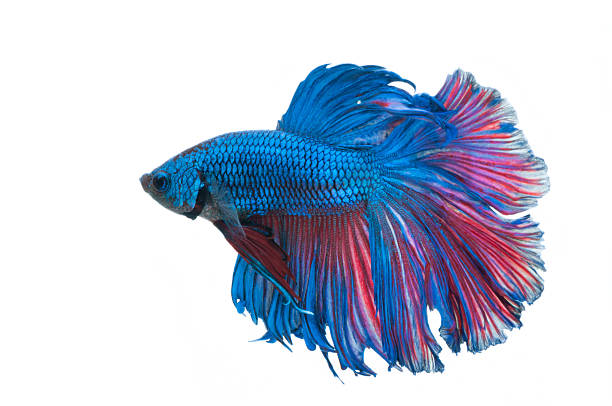
  4. Halfmoon (HM): Known for its dramatic fan-like tail spread; tends to be more expensive.
  5. Plakat (PK): Short-finned variant popular among enthusiasts; prices range based on coloration.
  6. Coloration
    Betta fish come in a dazzling array of colors:
  7. Solid colors like blue or red are often less expensive.
  8. Rarer hues such as metallics, pastels, or multi-colored patterns command higher prices.
  9. Genetics & Breeding Lineage
    High-quality breeding can influence both health and appearance:
  10. Line-bred show-quality bettas tend to cost more due to selective breeding efforts.
  11. Wild-type bettas may also fetch premium prices because of their rarity in captivity.
  12. Rarity
    Some varieties such as Koi Bettas or Galaxy Bettas are highly sought after: Their unique patterns make them collector favorites but also drive up prices substantially.
  13. Age & Size
    Juvenile bettas are usually cheaper than fully grown adults because they’ve yet to display their full coloration or fin development.

Tips When Comparing Costs

  • Research market prices beforehand using multiple sources.
  • Avoid purchasing from overcrowded tanks where stress levels could compromise health.
  • Prioritize breeders or sellers who emphasize ethical breeding practices over mass production.

Discover Why a Betta Fish Online Shop Is Perfect for Aquarium Enthusiasts

Betta fish, scientifically known as Betta splendens, are among the most captivating freshwater fish species that aquarium enthusiasts adore. Their vibrant colors, intricate fin structures, low maintenance requirements, and unique behaviors make them stand out from other fish species. Let’s explore what makes these fascinating creatures such a popular choice for aquariums.

Vibrant Colors and Stunning Varieties

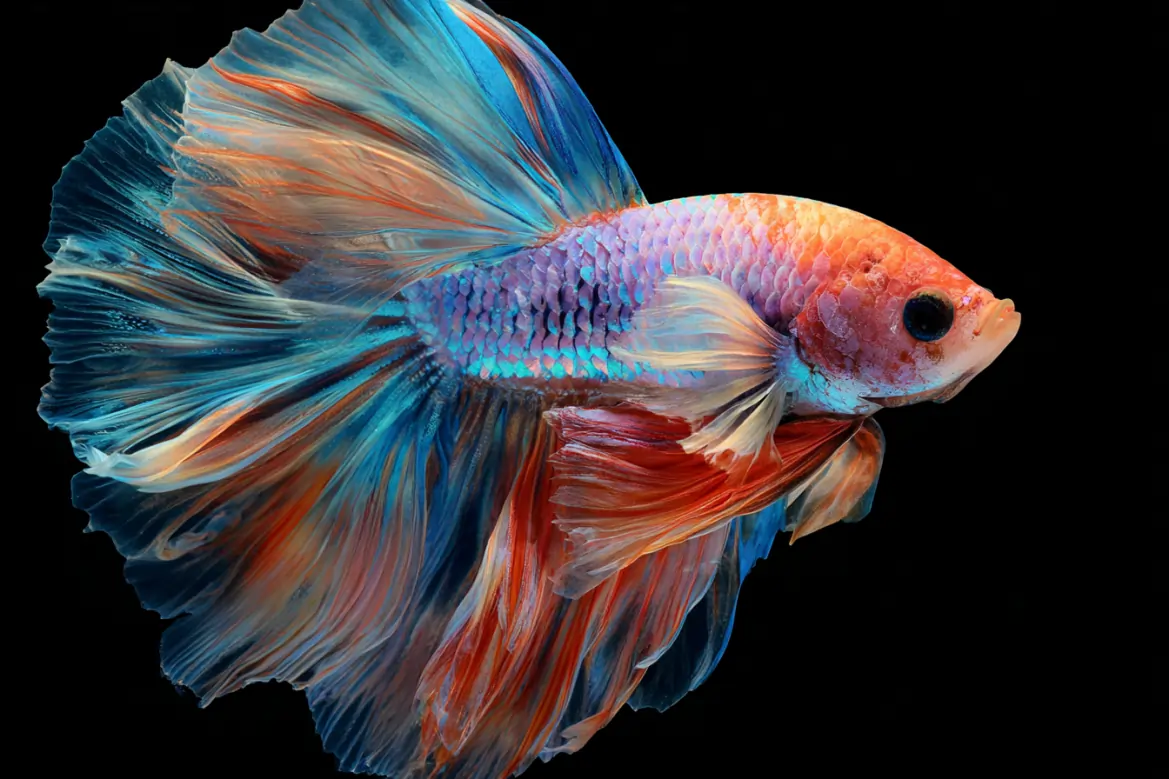
One of the most striking features of betta fish is their breathtaking array of colors and patterns. They can exhibit hues ranging from deep reds to iridescent blues, greens, purples, or even metallic shades. These colors are further enhanced by selective breeding practices over generations.

  • Veil Tail (VT): The most common type with long flowing fins.
  • Crown Tail (CT): Recognized by its fringed tail edges resembling a crown.
  • Halfmoon (HM): Known for its fan-like tail that opens to 180 degrees.
  • Plakat: A short-finned variety resembling wild bettas.
  • Double Tail (DT): Characterized by two distinct caudal lobes.

These visually striking appearances make bettas a centerpiece in any aquarium setup.

Personality and Unique Behaviors

Betta fish are renowned not only for their beauty but also for their distinct personalities. Unlike many other fish species that behave passively in an aquarium, bettas are active and curious creatures. They often interact with their surroundings and even recognize their owners over time.

  • Flaring: Bettas flare their gills and spread their fins when they feel threatened or territorial. This display is both a defense mechanism and a stunning visual show.
  • Bubble Nest Building: Male bettas build bubble nests on the water surface as part of their breeding behavior. This instinct is fascinating to observe in captivity.
  • Interactive Responses: Bettas may follow your finger along the glass or come to the surface during feeding times, making them one of the more engaging pet fish.

Low Maintenance Requirements

Another reason why bettas are so popular is that they require relatively simple care compared to some other aquatic species. While they do need specific conditions to thrive, they aren’t overly demanding in terms of equipment or upkeep.

Requirement Details
Tank Size Minimum 5 gallons recommended for optimal health
Water Conditions Warm water between 76–82°F; pH level around 6.5–7.5
Diet High-protein diet including pellets, frozen food like bloodworms
Filtration Gentle filtration system to avoid stress
Tank Decoration Plants (live or artificial), hiding spots like caves

These moderate needs make them suitable for beginners while still appealing to experienced aquarists who enjoy designing creative tanks.

Longevity Compared to Other Fish

While many small freshwater species have lifespans of only 1–2 years, healthy bettas can live up to 3–5 years with proper care. This longevity provides owners with ample time to build a connection with these intelligent animals.

The combination of vivid coloration, individualistic behaviors, ease of care, and longevity contributes significantly to the popularity of betta fish as one-of-a-kind pets in home aquariums. For beginners stepping into the world of aquatics or seasoned hobbyists looking for an engaging addition to their collection, bettas are an excellent choice deserving admiration and proper care.

How to Buy Betta Fish for Sale: Key Factors Like Tail Type and Genetics

Betta fish, also known as Siamese fighting fish, are admired for their vibrant colors, elegant fins, and unique personalities. Their pricing can vary significantly depending on several factors. Understanding these key aspects can help enthusiasts make informed purchasing decisions: https://splashyfishstore.com/collections/betta-fish-by-quality-grade

1. Tail Type and Fin Structure

  • Veil Tail: The most common type with long flowing tails; typically more affordable due to their widespread availability.
  • Crowntail: Characterized by spiky extensions on the rays of the fins; moderately priced depending on coloration.
  • Halfmoon: Known for their 180-degree spread when flaring; often priced higher due to their dramatic appearance.
  • Plakat: Short-finned bettas resembling wild varieties; can be moderately or highly priced based on color rarity.
  • Double Tail: Featuring two distinct caudal lobes; often more expensive because breeding them is more complex.
  • Rosetail/Feathertail: These types showcase highly ruffled fins that resemble petals; considered premium varieties due to their rarity.
Tail Type Description Pricing Range
Veil Tail Common with flowing tails Low
Crowntail Spiky fin rays Moderate
Halfmoon 180-degree spread tail High
Plakat Short-finned with natural appeal Moderate-High
Double Tail Two distinct caudal lobes High
Rosetail Ruffled/petal-like fins Premium

2. Genetic Traits and Rarity

  • Solid colors like red or blue are usually less expensive due to their prevalence.
  • Iridescent colors (e.g., metallic or dragon scale) command higher prices given their unique shimmer.
  • Rare colors like koi patterns or galaxy marble add significant value.
  • Marble patterns with shifting pigmentation are sought after but unpredictable in terms of stability.
  • Butterfly markings (a solid color transitioning into translucent edges) are highly prized.

3. Age and Size

Younger juvenile bettas are often more affordable than fully mature adults because they have yet to reach their full coloration and fin development. However, adult bettas that exhibit exceptional traits may come at a premium price due to their established aesthetic qualities.

4. Breeding Practices

Ethical breeding practices also influence pricing. Bettas from experienced breeders who focus on quality genetics, healthy stock, and optimal living conditions may cost more than mass-produced fish sold in chain pet stores.

  • Research reputable breeders who specialize in rare varieties or prioritize ethical practices.
  • Evaluate the health signs of a betta—bright coloration, active behavior, and well-maintained fins indicate good quality.

By understanding these factors—tail type, genetics, age, size, and breeding practices—you’ll be better equipped to select a betta that aligns with your preferences while appreciating its market value.

Key Factors That Influence Betta Fish Pricing Including Tail Type and Genetics

When it comes to betta fish pricing, there are several factors that significantly impact their cost. Understanding these elements can help potential buyers make informed decisions about the type of betta they want and how much they should expect to pay. Below, we’ll explore key aspects such as tail types, coloration, genetics, and more.

1. Tail Types and Fin Variations

The shape and size of a betta’s tail are among the most prominent features that determine its price. Certain tail types are rarer and require more specialized breeding practices, leading to higher costs.

  • Veil Tail (VT): The most common and affordable variety due to its widespread availability. Prices typically range from $3 to $10.
  • Crown Tail (CT): Known for its spiky fin edges resembling a crown. Slightly more expensive, ranging from $5 to $15.
  • Halfmoon (HM): Features a wide, half-circle-shaped tail. These are highly sought after and cost between $15 and $40.
  • Plakat (PK): With shorter fins resembling wild bettas, plakats can vary in price based on coloration but generally range from $10 to $30.
  • Rosetail/Dumbo Ear: These unique variations with flowing tails or oversized pectoral fins can fetch prices upwards of $30-$50 or more.

2. Coloration

Color is another primary factor influencing the price of bettas. Breeders often focus on creating vibrant or rare colors that make these fish highly desirable.

  • Solid Colors: Bettas in standard solid shades such as blue or red tend to be more affordable ($3–$15).
  • Bi-Colored/Butterfly Patterns: These colorations feature distinct contrasts between body and fin colors, costing around $10–$25 depending on their vibrancy.
  • Koi/Multi-Colored Bettas: Mimicking koi fish patterns, these varieties may command prices between $20–$60 depending on the complexity of their patterns.
  • Metallic or Iridescent Colors: Stunning hues like copper or marble often increase the value significantly ($25–$50).

3. Genetics

Genetic Trait Description Price Range
Marble Gene Creates ever-changing colors over time $20–$60
Dragon Scale Thick iridescent scaling over the body $30–$80
Albino Extremely rare due to lack of pigmentation Can exceed $300

These genetic variations require controlled breeding environments with a high degree of expertise, contributing heavily to their cost.

4. Breeder Reputation

Purchasing your betta from a reputable breeder adds value due to guaranteed health standards, proper care during breeding, and access to unique varieties not commonly found in pet stores.

  • Local breeders may charge anywhere from $20–$100 depending on rarity.
  • High-profile international breeders often sell competition-grade or rare-specimen bettas for hundreds—or even thousands—of dollars.

5. Availability

  1. Common pet store varieties like veil tails are mass-produced and budget-friendly.
  2. Rare imports such as wild species (Betta imbellis or Betta macrostoma) are priced higher due to limited availability and importation costs.

Understanding these factors will help you navigate the wide range of options when shopping for your ideal betta fish while ensuring you get good value for your purchase decision—all while considering your budgetary constraints carefully.

Tips for Selecting the Perfect Betta Fish for Your Aquarium

Choosing the perfect Betta fish for your aquarium requires careful consideration of several important factors. Bettas are known for their vibrant colors, unique personalities, and beautiful fin structures, but selecting the right one involves more than just aesthetics. Below is a guide to help you make an informed decision.

Assess the Health of the Betta

When selecting a Betta fish, it is crucial to evaluate its overall health. Here are some key signs of a healthy Betta:
Bright and vibrant colors: Dull or faded coloration can indicate stress or illness.
Active behavior: A healthy Betta will be alert and curious, often swimming around its tank rather than remaining motionless at the bottom.
Clear eyes: Cloudy eyes may point to poor health or improper care.
Undamaged fins: Look for fins that are intact without signs of tearing or rot.

If you notice any signs such as lethargy, clamped fins, or discoloration, it’s best to choose another fish.

Consider Tail Type and Fin Structure

Betta fish come in a variety of tail and fin types, each with its own unique appeal. Some common types include:
Veil Tail (VT): The most common type with long flowing tails that curve downward.
Crown Tail (CT): Recognized by their spiked and webbed appearance resembling a crown.
Halfmoon (HM): Their tail opens to create a semi-circle or “half-moon” shape when flared.
Plakat (PK): Known for their shorter fins and more natural look compared to other varieties.

Your choice should align with your aesthetic preferences while also considering the care needs associated with certain tail types; longer-finned Bettas may require more attention due to susceptibility to fin damage.

Match Personality with Your Aquarium Setup

Bettas have distinct personalities, so observing their behavior before purchase is essential:
1. If you’re introducing your Betta into a community tank, opt for one displaying calm behavior as aggressive individuals might harm tank mates. 2. For solitary tanks where they’ll be the centerpiece, look for Bettas that actively interact with their environment.

Think About Color Variations

Bettas exhibit a rainbow of colors including red, blue, green, orange, purple, white, and even metallic hues: – Solid-colored Bettas offer simplicity and elegance. – Multi-colored Bettas provide striking patterns such as bi-color or marble designs. – Rare variations like Koi bettas mimic the patterns seen in Koi fish.

Color preference is subjective; however high-demand hues like solid white (“opaque”) or rare metallic shades may cost more.

Type Description Care Considerations
Veil Tail Long flowing tail Prone to fin tears
Crown Tail Spiked appearance resembling crown Regular maintenance required
Halfmoon Semi-circle tail when flared May require larger tank due to size
Plakat Shorter tail resembling wild cousins Easier maintenance

Ensure Proper Housing Conditions Are Available

Before bringing home your new companion: 1. Confirm that your tank size meets species requirements—the minimum is 5 gallons per Betta. 2. Ensure proper water conditions including temperature (78–82°F) and filtration systems. 3. Avoid overcrowding if introducing tank mates; research compatibility beforehand.

By carefully evaluating these aspects during selection—health indicators such as active behavior combined w/visual traits & environmental matching—you can find ideal companion fitting personal preferences alongside optimal well-being

Understanding Breeding Practices and Rare Betta Varieties

Breeding practices and the cultivation of rare betta varieties are topics of great interest to both novice and experienced aquarium enthusiasts. Betta fish, also known as Siamese fighting fish, are highly sought after not only for their vibrant colors but also for their unique fin shapes and patterns. Understanding breeding techniques and the development of rare varieties can help hobbyists appreciate the factors that contribute to these fascinating fish’s diversity.

Selective Breeding in Betta Fish

  • Coloration: Intense blues, reds, iridescent greens, or even marble-like patterns are achieved through generations of selective breeding.
  • Fin Types: Unique fin shapes like halfmoon, crowntail, or double tail are developed through careful genetic pairing.
  • Behavioral Traits: While less common, some breeders focus on temperament to produce bettas that are less aggressive.
  1. Identify two parent fish with complementary traits.
  2. Condition the breeding pair by feeding high-quality live or frozen foods (e.g., brine shrimp or bloodworms).
  3. Create an appropriate spawning environment with a shallow tank, warm water (78–82°F), and floating plants for bubble nests.
  4. Monitor fry (baby fish) growth closely after hatching to identify which offspring exhibit desired traits.

Rare Betta Varieties

Variety Name Key Features Reason for Rarity
Koi Betta Multicolored patterns resembling koi fish Requires precise genetic combinations
Galaxy Betta Iridescent spots resembling stars on dark bodies Limited supply from specialized breeders
Alien Hybrid Betta Metallic sheen with unique body structures Crossbreeding between wild types and captive strains
Dumbo Ear Betta Large pectoral fins resembling elephant ears Genetic mutation not found in all populations

These stunning varieties often come at premium prices due to the skill required for breeding and their limited availability.

Ethical Considerations in Breeding

  • Avoid overbreeding pairs to ensure healthy offspring.
  • Provide spacious environments for juvenile fish to grow without overcrowding.
  • Prioritize health over aesthetics by selecting robust parent fish free from deformities.

Hobbyists should research breeders thoroughly before purchasing rare bettas to ensure they support ethical practices that prioritize the welfare of these animals.

Caring for Rare Bettas

  • Maintain pristine water conditions with regular tank cleaning and filtration.
  • Feed a varied diet that includes high-quality pellets, frozen foods, and occasional live treats.
  • Avoid housing rare bettas with aggressive tankmates or species prone to fin-nipping.

By understanding the intricacies of breeding practices and appreciating the uniqueness of rare varieties, aquarists can make informed choices when selecting these captivating companions while supporting ethical aquaculture initiatives.

A Complete Guide to Buy Betta Fish Online and Choose Your Ideal Companion

Betta fish, also known as Siamese fighting fish, are one of the most captivating and colorful additions to any aquarium. However, finding the right betta fish can be a challenging task, especially when faced with an array of options and considerations. This guide will help you navigate the selection process to ensure you bring home a healthy, vibrant companion that fits your preferences and needs.

Factors to Consider When Choosing a Betta Fish

  1. Health Indicators
    Healthy bettas exhibit specific physical and behavioral signs. Look for the following:
  2. Active swimming behavior: A healthy betta is curious and swims energetically in its tank.
  3. Bright coloration: Vibrant colors indicate good health, while dull or faded hues may suggest illness or stress.
  4. Smooth scales and fins: Avoid bettas with torn fins, missing scales, or lesions on their body.
  5. Clear eyes: Cloudy eyes can indicate poor health or underlying issues.
  6. Tail Type and Fin Shape
    Bettas come in various tail types and fin shapes that influence both their beauty and pricing. Some common types include:
Tail Type Description
Veil Tail Long, flowing tail; most common variety
Halfmoon Tail spreads 180 degrees like a semicircle
Crowntail Edges of fins have spiky extensions
Plakat Shorter fins; resembles wild bettas
  1. Genetics & Color Patterns
    Betta fish genetics play a crucial role in determining their color patterns and rarity. Common patterns include:
  2. Solid Colors: Single-hued bettas like red or blue are widely available.
  3. Marble Patterns: Bettas exhibit unique splashes of contrasting colors that can shift over time.
  4. Koi Variants: Resemble koi fish with intricate blends of orange, white, black, or red.
  5. Temperament
    While all male bettas tend to be territorial with each other, individual temperaments can differ significantly. Observe the betta’s behavior in its tank to ensure it suits your setup if you plan on including other tankmates.

Where Should You Buy Your Betta?

Knowing where to purchase your betta is just as important as knowing what traits to look for.

  • Pet Stores: Offer convenience but may not always prioritize optimal care for their livestock.
  • Specialty Aquatic Shops: Provide expert guidance along with healthier and rarer specimens.
  • Online Breeders/Marketplaces: Great for accessing diverse varieties such as show-grade or rare genetic lines but consider shipping stress on the fish.

Questions to Ask Before Purchasing

  • What type of care has this betta received?
  • Has it been quarantined to prevent disease transmission?
  • How old is this specimen? Younger fish tend to adapt better than older ones when transitioning into new tanks.

By carefully considering these factors when selecting your ideal companion, you’ll increase your chances of bringing home a thriving addition that enhances the beauty of your aquarium while meeting your expectations in terms of both health and aesthetics.


A Comprehensive Beginner’s Guide to Setting Up a Tank for Betta Fish for Sale

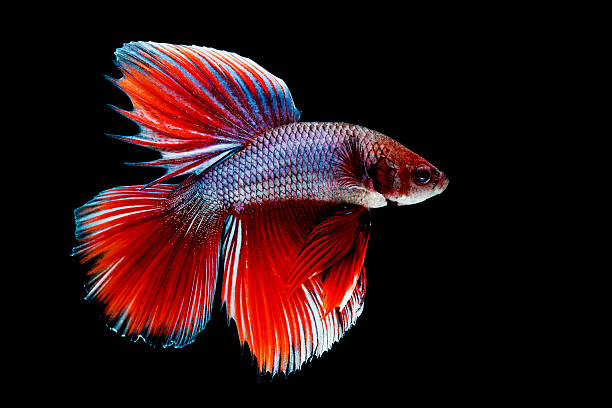
Close-up of Siamese Fighting Fish Betta Splendens fish also called Siamese Fighting fish betta fish stock pictures, royalty-free photos & images

Creating the ideal environment for a betta fish is crucial to ensuring its health and longevity. Betta fish, known for their vibrant colors and flowing fins, require specific tank conditions to thrive. This comprehensive guide will walk you through the essential steps of setting up a fish tank tailored to meet your betta’s needs.

Selecting the Right Tank

When choosing a tank for your betta, size matters. Contrary to popular belief, bettas are not suited for tiny bowls or small containers. They need ample space to swim and explore.

  • Recommended Size: A minimum of 5 gallons is ideal.
  • Tank Shape: Rectangular tanks provide more horizontal swimming space.
  • Avoidance: Small vases or bowls can cause stress and health issues.
Tank Size Recommended? Reason
< 3 Gallons No Restricts movement and impacts water quality
5 Gallons Yes Provides adequate space and easier maintenance
10+ Gallons Ideal Optimal for enrichment and stability

Setting Up Filtration

A proper filtration system is essential to maintain water quality while keeping the current gentle, as bettas dislike strong water flow.

  • Use low-flow filters designed for smaller tanks.
  • Sponge filters are an excellent choice due to their gentle circulation.
  • Perform regular filter maintenance to prevent clogging.

Heating the Tank

Betta fish are tropical creatures that thrive in warm water temperatures between 76°F and 82°F (24°C – 28°C). Inconsistent or low temperatures can weaken their immune system.

  • Install an adjustable aquarium heater with a built-in thermostat.
  • Use an aquarium thermometer to monitor temperature consistently.
  • Avoid placing the tank near windows or vents where temperature fluctuations occur.

Substrate Selection

  1. Gravel: A popular option that’s easy to clean but can trap waste if not maintained properly.
  2. Sand: Provides a softer texture, better resembling natural environments.
  3. Aquarium Soil: Ideal if you plan on adding live plants as it promotes healthy root growth.

Adding Plants and Decorations

  • Java Fern
  • Anubias
  • Marimo Moss Balls
  • Opt for silk plants instead of plastic ones as sharp edges can damage the fins.
  • Caves or hollow decorations provide hiding spots.
  • Floating logs mimic natural surfaces where bettas like to rest.

Ensure decorations have no rough edges that could tear the delicate fins of your fish.

Water Preparation

  1. Dechlorinate tap water using an appropriate water conditioner.
  2. Test pH levels—bettas prefer slightly acidic to neutral conditions (pH between 6.5 – 7.5).
  3. Allow the tank to cycle completely (a process taking approximately two weeks) before adding fish.

Lighting Requirements

  • Use LED aquarium lighting with adjustable brightness levels.
  • Set up a timer for approximately 8–10 hours of light per day, mimicking natural daylight cycles.

Setting up a suitable tank is one of the most important aspects of caring for your betta fish properly. With careful attention to these details, you’ll create an environment where your pet can flourish physically and behaviorally over time while showcasing its natural beauty at its fullest potential.

Discover Stunning Betta Fish Colors and Patterns at Our Betta Fish Online Shop

Betta fish, also known as Siamese fighting fish, are renowned for their vibrant colors and intricate patterns that captivate aquarists worldwide. These striking features are a result of selective breeding and genetic variations, making each Betta unique in its appearance. Understanding these colors and patterns not only enhances your appreciation for these beautiful fish but also helps in identifying their health and well-being.

How Betta Fish Get Their Colors

The dazzling colors of Betta fish stem from specialized cells in their skin called chromatophores. Chromatophores contain pigments, which interact with light to produce various hues. There are three key types of chromatophores involved in Betta coloration: – Melanophores: Responsible for black or dark shades. – Erythrophores: Produce red, orange, or yellow pigments. – Iridophores: Reflect light to create iridescent blues, greens, or metallic sheens.

Through selective breeding, aquarists have enhanced the expression of these chromatophores to develop the stunning color combinations we see today.

Common Color Variations in Betta Fish

Color Type Description
Solid A single color covers the entire body and fins (e.g., all blue or all red).
Bi-color The body is one color while the fins display a contrasting hue.
Marble Irregular patches of different colors across the body and fins.
Butterfly Fins have bands of two or more distinct colors, often with a clear division.
Metallic Scales exhibit a shiny or iridescent appearance due to enhanced iridophores.

Understanding Betta Patterns

Aside from their diverse colors, Betta fish exhibit fascinating patterns that add further complexity to their visual appeal: 1. Dragon Scale: Thick scales resembling armor with bold metallic hues. 2. Koi Pattern: Resembling Koi fish with marbled patches resembling splotches of paint. 3. Wild Patterning: Mimics the natural coloration found in wild species—subtle yet elegant.

These patterns can change over time due to environmental factors such as lighting and water quality or during specific life stages.

Factors Influencing Color Intensity

The vibrancy of your Betta’s color can be influenced by several factors: – Diet: High-quality foods rich in carotenoids can enhance red and orange hues. – Lighting: Proper aquarium lighting can highlight iridescent tones. – Stress Levels: Stress may dull a Betta’s color; maintaining optimal tank conditions reduces stress. – Genetics: Some Bettas naturally display more vivid coloration than others due to genetic lineage.

Why Coloration Matters Beyond Aesthetics

The brilliance of your Betta’s color can serve as an indicator of its overall health: – Bright and vibrant colors typically signify good health. – Fading or dulling could indicate stress, illness, or suboptimal water conditions.

By understanding what makes Bettas so uniquely colorful and patterned, hobbyists can better care for these remarkable creatures while enjoying their beauty fully.

Discover Where to Buy Betta Fish for Sale in Stunning Colors and Patterns

Betta fish, often referred to as Siamese fighting fish, are renowned for their stunning array of colors and intricate patterns. These vibrant creatures have captivated aquarists for decades, partly due to their striking beauty. This section explores the fascinating world of Betta fish colors and patterns, shedding light on the genetic factors and selective breeding processes that make them such a visual delight.

Understanding Betta Fish Colors

  1. Erythrophores: Pigments responsible for red tones.
  2. Iridophores: Reflective cells that produce iridescent blues and greens.
  3. Melanophores: Producing black or dark coloration.

Through generations of selective breeding, breeders have accentuated these pigments, giving rise to a wide variety of bright hues, including rare colors like purple or metallic shades.

Popular Color Variations

  • Solid Colors: Shades like red, blue, black, or white dominate the entire body without interruption.
  • Bi-Colored Bettas: Feature one color on the body and another on the fins.
  • Marble Patterns: Characterized by random spots or splotches across their bodies; they often change over time due to genetic instability.
  • Butterfly Bettas: Have fins with distinct bands of different colors resembling butterfly wings.
  • Koi Bettas: Mimic the patterns seen in koi fish with asymmetrical patches resembling paint splatters.
Color Type Description
Solid Single uniform color across body and fins
Bi-Colored Body is one shade; fins are another
Marble Splotchy patterns; tends to shift over time
Butterfly Multicolored fins with clear banding
Metallic Shimmery scales creating an iridescent effect

Intricate Patterns Found in Bettas

  1. Dragon Scale Pattern
    Features thick, metallic-like scales resembling armor plates. Often paired with vibrant base colors for extra contrast.
  2. Cambodian Pattern
    A lighter-colored body (often white) combined with deep-hued fins like red or blue.
  3. Cellophane Pattern
    Almost transparent body and fins with light pigmentation.
  4. Multicolor Patterns
    Display three or more distinct shades across both the body and fins—a true testament to genetic diversity.

The Role of Genetics in Coloration

  • Breeders may pair specific traits (e.g., iridescence or rarity) for vibrant outcomes.
  • Some rare colors—such as white opaque or true purple—are highly sought after due to their recessive nature requiring precise pairings.

Selective breeding has also led to new innovations such as “Galaxy” bettas featuring sparkling iridescence akin to stars scattered across a night sky.

Betta fish are truly living works of art brought about by a combination of natural beauty and human craftsmanship through thoughtful breeding efforts. Whether you prefer a solid-colored classic look or an intricate marble pattern that evolves over time, there’s no denying that each betta is unique—a reason they remain ever-popular among aquarium enthusiasts worldwide.

Betta Fish Behavior: Understanding Their Unique Personalities

Betta fish, also known as Siamese fighting fish, are beloved for their stunning appearance and distinctive personalities. Understanding their behavior is essential to ensure their well-being and foster a strong bond with these fascinating creatures. Below is a guide to help identify and interpret the unique characteristics of your betta fish’s behavior.

Natural Betta Behaviors

  • Flaring: Betta fish flare their gills and spread out their fins, often as a display of dominance or territoriality. This is typically observed in the presence of another betta or when they see their own reflection.
  • Bubble Nesting: Male bettas blow clusters of bubbles on the surface of the water as part of their reproductive behavior. This indicates they are comfortable in their environment.
  • Swimming Patterns: Betta fish may swim gracefully across the tank, hover near plants, or patrol specific areas. Balanced swimming indicates that your betta is healthy.
  • Resting on Surfaces: Bettas often rest on leaves, tank ornaments, or at the bottom of the tank. This is normal if done intermittently.

Signs of Stress in Betta Fish

Behavior Possible Cause Suggested Action
Hiding excessively Poor water quality or stress Test and improve water parameters
Clamped fins (fins held close to body) Temperature instability Ensure proper tank temperature (75–80°F)
Lethargy or lack of activity Inadequate space or illness Check for illnesses; upgrade tank size
Aggressive flaring at reflection Glass reflection causing agitation Reduce external lighting; provide cover

Interpreting Personality Traits

  • Shy Bettas: Provide plenty of hiding spots with plants or decorations.
  • Active Bettas: Offer stimulation through toys like floating mirrors (used sparingly), leaf hammocks, or gentle water currents.
  • Curious Bettas: These tend to interact with new objects in their tank. Rotate decorations occasionally to maintain engagement.

Key Factors That Influence Behavior

  1. A small bowl restricts movement and may lead to lethargy or stress.
  2. A minimum 5-gallon tank supports healthy exploration.
  3. High ammonia levels can cause erratic swimming or frequent surface gasping.
  4. Perform weekly partial water changes and invest in a reliable filter.
  5. Choose companions carefully if you plan on keeping other species with your betta.
  6. Avoid placing two male bettas together due to aggression.
  7. Maintain consistent light schedules (8–12 hours per day) as irregular lighting can confuse your fish’s natural rhythm.

By understanding your betta’s unique behaviors, you’ll not only create a more enjoyable environment but also build trust with them over time—making this colorful companion even more delightful to care for.

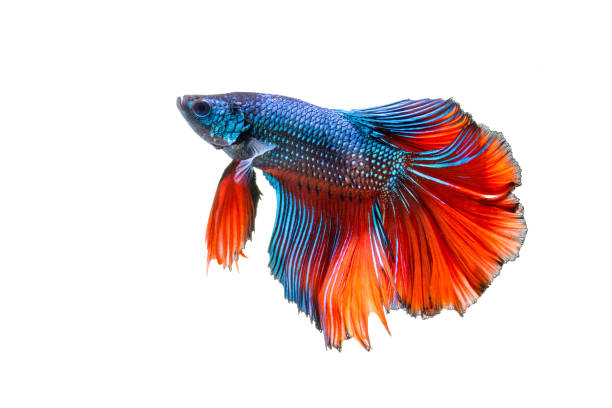
siamese fighting fish, Betta fish siamese fighting fish isolated on white background, Betta fish betta fish stock pictures, royalty-free photos & images

The Complete Guide to Choosing the Right Betta Fish for Your Aquarium

Selecting the right betta fish for your aquarium involves more than simply picking the most colorful or vibrant one. With so many varieties available, making an informed decision is essential for both you and the fish’s well-being. This guide will walk you through important factors to consider when choosing a betta fish, helping you find the perfect match for your tank and lifestyle.

1. Understand Betta Varieties

Betta fish come in numerous colors, patterns, and tail types. Familiarizing yourself with these varieties can help narrow down your options.

  • Veil Tail: Long, flowing fins; one of the most common types.
  • Crown Tail: Fins have spiky extensions resembling a crown.
  • Halfmoon: A semi-circular tail spread resembling a half-moon.
  • Plakat: Short-finned variety closer to wild bettas; easier to maintain.
  • Color Variations: Betta fish are available in nearly every color imaginable. Some popular options include:
  • Solid colors like blue, red, or white.
  • Multi-colored combinations or marbled patterns.
  • Unique options like metallic or iridescent hues.
  • Patterns: Patterns range from solid and bi-color to more complex designs like butterfly (contrasting bands of colors on fins) or koi (resembling koi fish patterns).
Tail Type Characteristics Maintenance Level
Veil Tail Flowing fins; beginner-friendly Moderate
Crown Tail Spiky fin extensions Slightly higher care needed
Halfmoon Large semi-circle tail Requires careful handling
Plakat Shorter fins; hardy Easiest to maintain

2. Assess Your Tank Size and Setup

  • Tank Size: Bettas require at least five gallons of water per individual. Avoid small bowls or cramped spaces that limit their movement and quality of life.
    • Temperature: Maintain water between 76°F and 80°F using an aquarium heater.
    • pH Level: Bettas prefer a pH range of 1.1–1.1, which mimics their natural habitat.

If you have already established other aquatic species in your tank, research compatibility since bettas can be territorial around certain species.

3. Consider Gender Differences

  • Male bettas are known for their vivid colors and elaborate fins but tend to be more aggressive toward other males or fin-nipping species.
  • Female bettas are less flashy but more social if kept in groups (sororities). However, even female sororities require monitoring for signs of aggression.

4. Inspect Health Signs Before Purchase

  • Look for active swimming behavior without sluggishness or excessive hiding.
  • Check that scales appear smooth without discoloration or raised areas (which could indicate disease).
  • Fins should be intact with no visible tears, clamping, or fraying edges.

Spending extra time observing potential purchases helps reduce the risk of introducing illness into your aquarium.

Final Thoughts on Selection

Choosing the right betta requires careful planning based on type preferences, tank conditions, gender dynamics, and health assessments. By taking these factors into account before bringing home a new pet, you not only enhance the visual appeal of your aquarium but also ensure the long-term happiness of your aquatic companion.

Exploring the Origins and History of Betta Fish Species

Betta fish, also known as Betta splendens or Siamese fighting fish, hold an intriguing place in aquatic history. Loved for their vibrant colors, flowing fins, and spirited behavior, these fish have been cherished by hobbyists around the globe. Understanding their origins provides valuable insight into their nature and care requirements.

Native Habitat and Geographic Origin

Betta fish are native to Southeast Asia, thriving in shallow waters such as rice paddies, slow-moving streams, and floodplains. Countries like Thailand, Cambodia, Vietnam, and Malaysia are home to wild bettas. Their natural environments are often murky with low oxygen levels—conditions that influenced the development of their unique labyrinth organ.

The labyrinth organ allows bettas to gulp air directly from the surface when oxygen levels in water are insufficient. This adaptation enables them to survive in harsh environments where other species may struggle.

Historical Significance in Thai Culture

The history of betta fish is deeply rooted in Thai culture. Before they became ornamental pets, wild bettas were collected for a different purpose: fighting competitions. Male bettas were prized for their aggression and territorial instincts. The combats were non-lethal but intense displays of dominance.

Records suggest that selective breeding of bettas for fighting traits began over 150 years ago in Thailand (formerly Siam). This practice eventually led King Rama III to gift domesticated bettas to European visitors during the 19th century—marking the beginning of global fascination with these vibrant creatures.

Evolution Through Selective Breeding

  • Tail Types: Crown tails, veil tails, halfmoons, double tails.
  • Colors: Blues, reds, metallics (copper or gold), iridescent greens.
  • Patterns: Marble (splotchy coloration), butterfly (distinct banded colors on fins), dragon scale (thick metallic scaling).

Wild-type bettas display muted shades compared to their domesticated counterparts’ vivid hues. Selective breeding has not only enhanced appearance but also altered behavior; modern pet-store varieties tend to be less aggressive than their ancestors bred strictly for combat.

Conservation Concerns Regarding Wild Betta Species

While domesticated Betta splendens flourish globally as pets, their wild relatives face environmental pressures such as habitat destruction caused by agriculture and urbanization. Currently:

Wild Betta Species Conservation Status
Betta macrostoma Endangered
Betta imbellis Vulnerable
Betta smaragdina Near Threatened

Efforts are underway among conservationists and hobbyist groups alike to preserve biodiversity within wild populations through habitat protection and ethical breeding programs.

Cultural Legacy Today

Betta fish remain a cultural icon in Thailand—they are recognized as the national aquatic animal since 2019. Globally appreciated as both pets and artistic expressions of nature’s beauty through selective breeding efforts, they serve as a reminder of how human interaction can shape species over time while highlighting our responsibility toward conservation efforts.

How to Buy Betta Fish Online and Create a Stimulating Environment for Them

Creating a stimulating environment for your betta fish is essential to their overall health and well-being. Betta fish are intelligent, curious creatures that thrive in environments that encourage activity, exploration, and enrichment. Below is a guide to help you design an engaging habitat for your betta.

1. Choosing the Right Tank Size

Betta fish need space to swim and explore. While they are often sold in small containers, this is not suitable for long-term care. Consider the following when selecting a tank: – Minimum Tank Size: 5 gallons is recommended as the minimum size. – Larger Tanks: If possible, select a larger tank (10 gallons or more) to give your betta more room to move around.

A larger tank also helps maintain water quality, which reduces stress on your fish.

2. Add Plants and Decorations

Adding plants and decorations not only enhances visual appeal but also provides stimulation: – Live Plants: Options like Java fern, Anubias, or Marimo moss balls are great choices because they mimic natural environments. – Artificial Plants: If using artificial plants, ensure they have soft edges to avoid damaging your betta’s fins. – Hiding Spots: Include caves, tunnels, or ornaments with openings where your betta can retreat when needed.

Having plenty of hiding spaces helps reduce stress and allows your betta to feel secure.

3. Incorporate Gentle Filtration and Proper Lighting

Bettas thrive in clean but low-flow water conditions: – Use a gentle filter that doesn’t create strong currents; sponge filters work well. – Provide adequate lighting on a set schedule (8–12 hours per day) to replicate day-night cycles without overexposure.

Proper lighting can also enhance plant growth if you use live plants.

4. Maintain Ideal Water Conditions

Betta fish require specific water parameters for optimal health: | Parameter | Ideal Range | |———————|——————-| | Temperature | 76–82°F (24–28°C) | | pH Level | 6.5–7.5 | | Ammonia/Nitrite | 0 ppm | | Nitrate | <20 ppm |

Use an aquarium heater to maintain consistent water temperatures and test the water regularly with an aquarium test kit.

5. Introduce Enrichment Activities

Bettas are intelligent fish that benefit from mental stimulation through activities such as: – Floating Toys: Ping pong balls or floating rings can encourage play behavior. – Training & Interaction: Bettas can learn simple tricks like swimming through hoops or following your finger along the glass. – Feeding Games: Offer food in different areas of the tank or use feeding tools like tweezers to stimulate their hunting instincts.

Avoid overfeeding while engaging in these activities; bettas have small stomachs and can become bloated easily.

6. Avoid Overcrowding

Bettas are territorial by nature and generally prefer solitude: – Avoid housing male bettas together as it may lead to aggression. – If considering other tankmates (e.g., snails or peaceful species), research compatibility thoroughly beforehand.

Providing ample space ensures harmony within the environment while reducing stress levels.

By thoughtfully designing a stimulating habitat catered specifically for their needs, you significantly improve both the physical health and mental well-being of your betta fish.

How to Create a Stimulating Environment for Your Betta Fish

Betta fish, also known as Siamese fighting fish, are intelligent and active creatures that thrive in an enriching environment. Providing them with a stimulating habitat not only supports their physical health but also enhances their mental well-being. Below is a guide on how to create an engaging space for your betta fish to ensure they live a healthy and fulfilling life.

Tank Size and Setup

  • Tank Size: A common misconception is that bettas can thrive in small bowls. However, they require at least a 5-gallon tank to swim freely and exercise.
  • Filtration: A gentle filtration system is essential to maintain water quality without creating strong currents that might stress your betta.
  • Heater: Bettas are tropical fish and need water temperatures between 76°F and 82°F (24°C – 28°C). A reliable heater will help maintain this range consistently.
  • Water Quality: Use a water conditioner to remove chlorine and other harmful chemicals from tap water. Regular water changes (25%-30% weekly) are essential for maintaining cleanliness.

Decorations and Hiding Spots

  • Live or Silk Plants: Live plants such as Java Fern or Anubias provide natural cover while also improving water quality by absorbing nitrates. Silk plants are another safe alternative if live plants aren’t an option.
  • Hiding Spaces: Add caves, hollow logs, or coconut shells where your betta can retreat when they want privacy.
  • Floating Objects: Bettas love resting near the surface of the water. Floating decorations or plants like Indian almond leaves can provide great resting areas.

Enrichment Through Toys and Activities

Bettas are curious creatures that benefit from mental stimulation through toys and interactive elements within their tanks.

Recommended Enrichment Ideas:

  1. Betta Mirrors: These allow your betta to flare temporarily, mimicking social interactions without introducing actual tank mates.
  2. Ping Pong Balls: A floating ping pong ball can keep your betta engaged as they push it around the surface.
  3. Leaf Hammocks: These allow your betta to rest near the surface comfortably.
  4. Bubble Wands or Gentle Bubbles (optional): Some bettas enjoy soft bubbles in their tanks but monitor closely as others may find it stressful.

Lighting and Day-Night Cycle

  • Provide 8–12 hours of light per day using aquarium-safe LED lights.
  • Ensure periods of darkness at night so your betta can rest properly.

Avoid placing the tank in direct sunlight, as it can lead to overheating and rapid algae growth.

Monitoring Behavior

  • If your betta swims actively, builds bubble nests, or interacts with enrichment items, these are signs of a happy fish.
  • On the other hand, lethargy or hiding constantly may indicate stress or illness requiring adjustments in their environment.
Feature Recommendation Purpose
Tank Size Minimum 5 gallons Provides ample swimming space
Filtration System Gentle flow Maintains clean water without stress
Temperature 76°F–82°F Ensures tropical habitat conditions
Plants Live or silk Adds cover & enrichment
Hiding Spots Caves/Logs Offers security & reduces stress

With proper care and thoughtful design choices for their environment, you’ll notice how vibrant and interactive your betta becomes over time—a true testament to their happiness in a stimulating home.

Buy Betta Fish for Sale: Your Guide to Keeping Them Healthy and Thriving

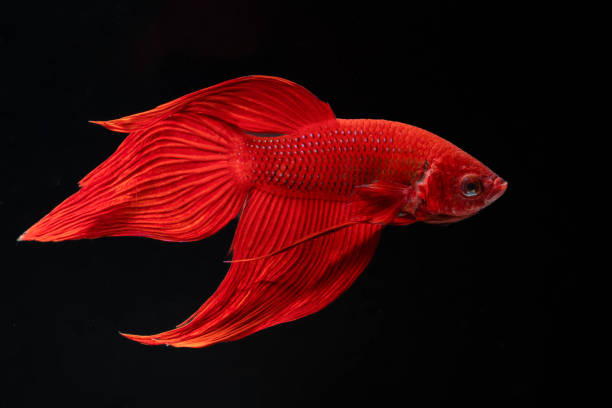
Close up red veiltail Siamese Fighting Fish (Betta Splendens) isolated on black background. Close up red veiltail Siamese Fighting Fish (Betta Splendens) isolated on black background. betta fish stock pictures, royalty-free photos & images

Proper care involves understanding their biological needs, creating the right environment, providing nutritious food, and monitoring for signs of stress or disease.

Key Factors for Betta Care

  1. Tank Size
  2. Water Quality
    Clean and stable water conditions are essential for maintaining your betta’s health:
  3. Temperature:A heater is often necessary in most home environments.
  4. pH Level:5 and 7. 5. Avoid sudden pH fluctuations as they can cause stress.
  5. Filtration:While bettas dislike strong currents, having a gentle filter helps maintain water quality by removing toxins like ammonia or nitrites.
  6. Dietary Needs
    Bettas are carnivorous by nature and require a protein-rich diet to thrive:
  7. Feed once or twice daily but avoid overfeeding; uneaten food can pollute the tank.
  8. Lighting and Rest
    Bettas need a consistent day-night cycle to mimic their natural environment:
  9. Provide adequate but not overly bright lighting during the day.
  10. Allow darkness during nighttime hours so your fish can rest properly.

Warning Signs of Poor Health

Monitoring your betta’s behavior is crucial for early detection of potential problems:
– Unusual lethargy or hiding frequently could indicate stress or illness. – Clamped fins may signal poor water conditions or an infection. – Loss of appetite is another common sign that something might be wrong.

Creating Enrichment Opportunities

Bettas are intelligent and curious creatures that benefit from mental stimulation:
– Use decorations like caves or tunnels they can swim through. – Include floating leaves or hammocks where they can rest near the surface. – Engage them with occasional mirror exercises—this mimics interaction with another fish but should only be done sparingly to avoid stress.

Key Factor Ideal Range/Condition Notes
Tank Size Minimum 5 gallons Bigger tanks promote better health
Water Temperature 76°F–82°F (24°C–28°C) Use an adjustable heater if required
pH Level 6.5–7.5 Stable pH is more important than exact levels
Feeding Frequency Once/twice daily Avoid overfeeding

By following these guidelines, you’ll ensure your vibrant companion lives a healthy life filled with beauty and activity within its aquarium ecosystem.

Guide to Buy Betta Fish Online and Create the Perfect Tank Environment

These vibrant, intelligent, and interactive fish thrive in conditions that mimic their natural habitat.

Proper Tank Size

While bettas are often sold in small containers or marketed as low-maintenance fish, they require sufficient space to swim and explore.

  • Minimum tank size: A 5-gallon tank is recommended as the minimum size for a single betta.
  • Larger tanks: A 10-gallon or larger tank provides additional swimming areas, room for plants and decorations, and more stable water parameters.
  • Why avoid bowls: Round bowls lack surface area for proper oxygen exchange and tend to have unstable water conditions.

Temperature Requirements

  • Optimal range: Maintain the water temperature between 76°F (24°C) and 82°F (28°C).
  • Heater recommendation: Use an adjustable aquarium heater to maintain consistent temperatures.
  • Thermometer: Place a thermometer in the tank to monitor temperature fluctuations daily.

Water Quality Essentials

Parameter Ideal Range
pH 6.5–7.5
Ammonia 0 ppm
Nitrite 0 ppm
Nitrate <20 ppm
  • Filtration: Install a gentle filter with adjustable flow since strong currents can stress bettas. Sponge filters are a popular choice due to their low flow rates.
  • Water changes: Perform weekly partial water changes of 25–30% to maintain high water quality.
  • Dechlorinator: Always treat tap water with a dechlorinator before adding it to the tank.

Lighting Considerations

  • Provide around 8–12 hours of light per day using an aquarium-specific LED light.
  • Ensure there are shaded areas within the tank where your betta can retreat if needed.

Adding Substrate, Hardscape, & Hiding Spaces

  1. Use smooth gravel or sand as substrate; avoid sharp-edged materials that may damage delicate fins.
  2. Add driftwood or smooth rocks as hardscape elements to resemble natural environments while ensuring no sharp edges.
  3. Include caves or ornaments specifically designed for aquariums where your betta can hide or rest.

Why Tank Lid Safety Matters

  • Always use a securely fitted lid with adequate ventilation holes.

By creating an environment tailored to your betta’s needs—focusing on tank size, temperature regulation, stable water quality, appropriate lighting, substrate selection, decorations, and safety—you’ll help ensure they live a healthy life free from unnecessary stress factors.

Choosing the Best Substrate, Hardscape, and Decorations for Betta Tanks

Each element plays a role in ensuring your betta’s comfort, health, and natural behavior.

Selecting the Right Substrate

The substrate serves as the foundation of your aquarium and affects not only its aesthetics but also its functionality.

  • Provides a clean appearance and is available in various colors.
  • Choose smooth-edged gravel to avoid injuries to your betta’s delicate fins.
  • Mimics natural riverbeds where wild bettas are often found.
  • Easy to clean but may compact over time if not aerated properly.
  • Ideal for supporting live plants due to their nutrient-rich composition.
  • Requires careful maintenance as it can cloud water if disturbed.
Substrate Type Pros Cons
Gravel Easy to clean, decorative May trap debris
Sand Natural look, soft texture Needs frequent stirring
Soil-Based Nutrient-rich for plants Can cause water cloudiness

Hardscape: Building Your Tank’s Structure

Hardscape refers to non-living structural elements like rocks and driftwood that help create natural-looking habitats.

  • Offers hiding spots for shy or stressed bettas.
  • Releases tannins into the water which can slightly lower pH – beneficial for bettas that prefer soft, acidic water.
  • Use smooth rocks with no sharp edges to prevent fin tears.
  • Ensure they are aquarium-safe and free of harmful chemicals.

When arranging hardscape materials: 1. Provide open swimming spaces while incorporating shaded areas. 2. Position elements securely to prevent shifting or collapsing.

Choosing Decorations Wisely

Key Features of Betta-Friendly Decorations:– Smooth edges: Avoid decorations with sharp points that could damage fins. – Natural style: Opt for items resembling natural habitats such as caves or hollow logs. – Safety-tested materials: Ensure decorations are labeled as aquarium-safe; certain plastics or painted items can leach toxins into the water.

Recommended Decorations:
  • Ceramic caves or tubes (for hiding).
  • Floating leaf hammocks where bettas can rest near the surface.
  • Artificial plants with silk leaves instead of plastic (to avoid tearing fins).

Tips for Combining All Elements

To create a balanced environment: 1. Match substrate color with hardscape elements for a cohesive design. 2. Avoid overcrowding—bettas need ample open space alongside hiding areas. 3. Regularly inspect all components to ensure they remain safe and algae-free.

By carefully selecting appropriate substrates, hardscapes, and decorations tailored to your betta’s needs, you’ll promote both their physical health and psychological well-being while creating an attractive aquatic environment that enhances their beauty.

Top Plant Choices to Enhance Your Betta Fish Aquarium

Bettas are naturally found in shallow, plant-filled waters in Southeast Asia, so incorporating live plants into their aquariums helps replicate their natural environment.

Benefits of Live Plants for Betta Aquariums

  • Natural Habitat Simulation: Live plants mimic the betta’s native habitat, reducing stress and promoting natural behavior.
  • Improved Water Quality: Plants absorb nitrates and other toxins, contributing to a healthier tank environment.
  • Oxygen Production: During photosynthesis, plants help oxygenate the water.
  • Hiding Spots: Bettas are territorial but also enjoy hiding; plants provide safe spaces for rest and exploration.
  • Aesthetic Appeal: A planted tank creates a visually stunning underwater landscape.

Recommended Plants for Betta Tanks

  1. Easy to maintain and perfect for beginners.
  2. Can be attached to driftwood or rocks; does not require substrate planting.
  3. Thrives in low-light conditions, making it ideal for standard betta tanks.
  4. Hardy plant with broad leaves where bettas love to rest.
  5. Grows slowly but requires minimal care.
  6. Prefers low light levels and can grow attached to hardscape materials.
  7. Ideal as a background plant due to its size and dense foliage.
  8. Requires nutrient-rich substrate and moderate lighting for optimal growth.
  9. Provides ample hiding spaces for shy or stressed bettas.
  10. Unique spherical algae that add texture to the tank’s design.
  11. Helps absorb nitrates and improves water clarity.
  12. Requires occasional rolling to maintain its shape but is otherwise low-maintenance.
  13. A fast-growing floating or anchored plant that acts as a natural filter by absorbing excess nutrients from the water.
  14. Ideal for providing shade over parts of the aquarium if left floating.
  15. Versatile plant that can be grown rooted or floating in the tank.
  16. Offers dense coverage, perfect for creating shaded areas where your betta can relax.
    • A small floating plant that mimics natural surface cover, offering soft lighting beneath it.
    • Needs regular pruning as it grows quickly and may block too much light if left unchecked.
Plant Name Light Requirements Placement Maintenance Level
Java Fern Low Attached Low
Anubias Low Attached Low
Amazon Sword Moderate Substrate Moderate
Marimo Moss Ball Low Floating/Substrate Very Low
Hornwort Moderate Floating/Anchored Moderate
Water Wisteria Moderate Floating/Substrate Moderate
Duckweed High Floating High

Tips for Plant Care in Betta Tanks

  • Use proper lighting suited to your chosen plants—low-maintenance species like Java Fern thrive under low light, while others may require moderate levels.
  • Consider adding liquid fertilizers specifically designed for aquatic plants if using an inert substrate like gravel or sand.
  • Remove decaying leaves promptly to prevent nutrient buildup that could lead to algae growth.

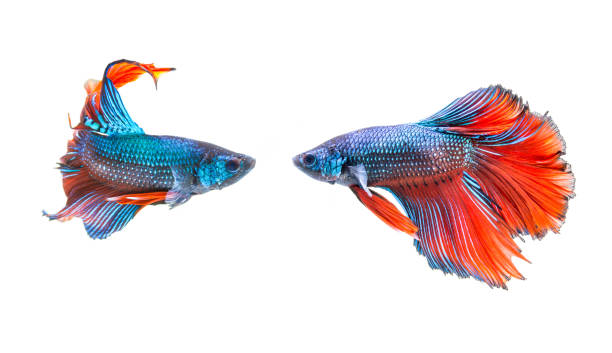
siamese fighting fish, Betta fish fighting of two fish isolated on white background. siamese fighting fish, Betta fish betta fish stock pictures, royalty-free photos & images

Exploring the Fascinating Varieties of Betta Fish Species

Their vibrant colors, flowing fins, and unique personalities make them a favorite for both novice and experienced aquarists. There are many varieties of bettas, distinguished by their colors, patterns, and fin shapes. Below is an exploration of the most fascinating betta fish types to help you better understand these captivating creatures.

Common Fin Types in Betta Fish

Bettas come in several distinct fin shapes that contribute to their elegance.

  • Veil Tail (VT):
    The Veil Tail is one of the most common and recognizable betta varieties. These bettas have long, flowing tails that trail behind them like a veil.
  • Halfmoon (HM):
    Known for their dramatic appearance, Halfmoon bettas feature tails that spread to a full 180-degree semicircle when flared.
  • Crown Tail (CT):
    Crown Tail bettas have spiked or fringed rays extending from their fins and tails, resembling a crown.
  • Plakat (PK):
    Plakat bettas have short fins compared to other varieties, giving them a more natural and wild look. They are also prized for being active swimmers.
  • Double Tail (DT):
    As the name suggests, Double Tail bettas have two distinct tail lobes instead of one. This rare trait makes them highly sought after by enthusiasts.
Fin Type Key Feature Popularity Level
Veil Tail Flowing tail with downward drape Very High
Halfmoon Symmetrical tail spanning 180 degrees High
Crown Tail Frayed or spiked edges on fins Moderate
Plakat Shorter fins resembling wild bettas High
Double Tail Two separate tail lobes; unique appearance Rare

Patterns and Colors in Bettas

The variety of colors and patterns seen in bettas is truly astonishing.

  1. Solid Colors:Some bettas display single colors such as red, blue, white, or black.
  2. Bi-color:These have one body color contrasted by another color on their fins.
  3. Marble:Characterized by unpredictable swirls of different colors.
  4. Koi:Named after Japanese koi fish due to their striking resemblance in coloration.
  5. Dragon Scale:Distinguished by metallic-like scales that give them a shiny appearance.
  6. Butterfly:With bands of color radiating outward from their bodies toward the edges of their fins.

Wild Betta Species vs Domestic

While domestic ornamental bettas dominate the aquarium trade due to selective breeding for aesthetics, wild species like Betta imbellis or Betta smaragdina offer insight into how these fish exist naturally:

  • Wild species usually exhibit duller coloration compared to domesticated ones.
  • They tend to be less aggressive than traditional fighting breeds.
  • They thrive in heavily planted tanks with softer water conditions similar to their native environments in Southeast Asia.

Choosing Your Betta Variety

When selecting a betta variety for your aquarium: – Consider tank size; larger-tailed varieties may require calmer water flow. – Opt for hardy types like Plakats if you’re new to caring for these fish. – Ensure compatibility with other tankmates if you’re housing multiple species together.

Exploring different varieties not only enhances your appreciation for these stunning fish but also allows you to tailor your aquarium experience based on personal preferences and care capabilities.

Tips for Keeping Betta Fish for Sale Healthy and Disease-Free

Betta fish, while hardy and adaptable in many cases, are not immune to health challenges. Proper care and early identification of diseases are crucial for maintaining their well-being. This section will explore common health issues in bettas and the preventative measures you can take.

Common Betta Fish Diseases

Disease Symptoms Causes
Fin Rot Frayed or discolored fins, inflamed fin edges Bacterial infection, poor water quality
Ich (White Spot Disease) White spots on the body or fins, rubbing against objects Parasitic infection
Velvet Gold or rust-colored dust on the skin; lethargy Parasites
Swim Bladder Disorder Difficulty swimming upright; floating at the surface or sinking Overfeeding or physical injury
Fungal Infections Cotton-like growths on body or fins Poor water conditions

How to Prevent Diseases in Betta Fish

Prevention is key when it comes to disease management.

  • Regularly test parameters such as ammonia, nitrites, nitrates, and pH using a reliable water test kit.
  • Perform partial water changes weekly (25–30%) to remove waste buildup.
  • Use a high-quality filter appropriate for small tanks with gentle flow settings.
  • Supplement with protein-rich live or frozen foods like bloodworms and brine shrimp.
  • Avoid overfeeding; only provide what your betta can eat within two minutes.
  • Maintain stable temperatures between 76–82°F (24–28°C) using an aquarium heater.
  • Provide hiding spots such as live plants or smooth decorations to reduce stress levels.
  • Avoid overcrowding to prevent stress-related illnesses.

Treatment Options for Ill Bettas

  1. Quarantine Sick Fish
    Always isolate an affected fish in a separate tank to prevent diseases from spreading to other tankmates.
  2. Medications
    Based on symptoms:
  3. Use antibacterial medications like Maracyn for bacterial infections.
  4. Treat parasites with aquarium salt baths or specific antiparasitic medications like copper-based treatments.
  5. Improve Tank Conditions
    Address any underlying issues such as poor water quality by cleaning the tank thoroughly and testing parameters regularly.
  6. Consult a Specialist
    If home treatments fail or symptoms worsen, consult an aquatic veterinarian for professional advice.

Signs Your Betta Is Healthy

To ensure your betta thrives: – Look out for bright coloration and flowing fins free of damage. – A healthy appetite is a strong indicator of wellness. – Active swimming behavior without signs of distress indicates good physical health.

By taking proactive steps toward disease prevention and recognizing early warning signs, you can provide your betta fish with a long and healthy life.

How to Spot Common Diseases in Bettas and Tips from a Betta Fish Online Shop

Betta fish, though hardy and resilient, are susceptible to several common diseases. Proper knowledge of these ailments is crucial to maintaining your betta’s well-being. Early recognition of symptoms, combined with prompt action, can significantly increase the chances of recovery. Below is an overview of common betta fish illnesses, their signs, causes, and preventive measures.

Common Betta Fish Diseases

  1. Symptoms: Frayed or discolored fins that may appear ragged or torn. In severe cases, the fins may deteriorate entirely.
  2. Causes: Poor water quality, bacterial infections, or stress.
    • Maintain clean water by performing regular tank maintenance.
    • Use antibacterial treatments if fin rot develops.
    • Avoid overcrowding or housing bettas with fin-nipping tankmates.
  3. Symptoms: Small white spots on the body and fins; scratching against decorations or substrate; lethargy.
  4. Causes: Parasite infestation triggered by poor water conditions or new infected tank additions.
    • Quarantine new fish before adding them to a community tank.
    • Gradually raise the tank temperature to 82–86°F for several days and use ich-specific medications.
  5. Symptoms: Difficulty swimming; floating sideways or sinking to the bottom; erratic movements.
  6. Causes: Overfeeding, constipation, injury, or infection.
    • Feed high-quality pellets in moderate amounts (avoid overfeeding).
    • Introduce fasting intervals (e. g. , one day per week) to aid digestion.
    • If SBD occurs due to constipation, feed deshelled peas as a natural remedy.
  7. Symptoms: Gold- or rust-colored dust on the body; rubbing against objects; lethargy and clamped fins.
  8. Causes: Parasitic infestation typically caused by Oödinium parasites in poorly maintained tanks.
    • Keep water parameters stable and clean at all times.
    • Treat infections with copper-based medications while following manufacturer guidelines.
  9. Symptoms: Cotton-like growths around the mouth area; pale patches on skin; difficulty breathing.
  10. Causes: Bacterial infection exacerbated by warm temperatures and poor water quality.
  11. Prevention & Treatment:
    • Lower water temperatures slightly within safe ranges for bettas (~75-76°F).
    • Use appropriate antibiotics after confirming bacterial infection.

Preventive Measures for Betta Health

A proactive approach is always better than treating diseases after they occur.

  • Maintain optimal water conditions using a high-quality filter and heater. The ideal temperature range for bettas is 78–80°F with a pH level between 6. 5–7. 5.
  • Perform regular partial water changes (20–25% weekly) to prevent ammonia buildup.
  • Ensure a balanced diet consisting of protein-rich pellets supplemented with frozen or live foods such as brine shrimp or daphnia for variety.
Factor Recommendation
Water Temperature 78–80°F
pH Level 6.5–7.5
Tank Size Minimum 5 gallons
Diet High-protein pellets + live foods

Monitoring Your Betta’s Health

  • Observe daily for changes in appetite, swimming patterns, gill movement, and appearance of scales and fins.
  • Act immediately if unusual symptoms become apparent—early intervention often leads to better outcomes.

By staying attentive to your betta’s needs and creating a stable environment tailored specifically for their care requirements, you can help ensure they lead a long and healthy life free from preventable diseases.


A Complete Guide on How to Buy Betta Fish Online

beautiful betta splendens isolated on white background close-up of blue siamese fighting fish (betta splendens) isolated on white background betta fish stock pictures, royalty-free photos & images

Purchasing betta fish online has become an increasingly popular option for enthusiasts due to the variety, convenience, and access to unique breeds that may not be available locally. However, the process requires careful consideration to ensure you select healthy fish with suitable temperaments. Below is a guide on identifying and choosing the best bettas while shopping online.

Factors to Consider When Buying Betta Fish Online

  1. Health Indicators
    A healthy betta fish will display clear signs of vitality and physical wellness. Look for sellers who provide detailed photographs or videos of their stock. Pay attention to:
  2. Bright, Vibrant Colors: Faded or dull coloration could be a sign of stress or illness.
  3. Smooth Scales: Avoid fish with discolored patches, bumps, or visible injuries.
  4. Active Movement: Healthy bettas will swim fluidly and respond actively in their environment.
  5. Clear Fins: Torn or clamped fins may indicate poor health or improper care.
  6. Temperament Evaluation
    Betta fish are known for their territorial behavior, especially males. Understanding temperament is crucial if you plan on keeping multiple tank mates. Some tips:
  7. Look for sellers that offer temperament descriptions (e.g., aggressive vs. calm individuals).
  8. Research specific betta species as some varieties tend to be less combative than others (e.g., Plakat Bettas are often more docile).
  9. Source Credibility
    Purchasing from reputable breeders or trusted online retailers ensures better quality control and healthier fish:
  10. Check reviews and testimonials from past customers.
  11. Confirm certifications like proper licensing if applicable.
  12. Ensure that photos of the listed fish match what you’ll receive.

Checklist Before Purchasing

Aspect Why It Matters What To Verify
Seller Reputation Ensures ethical practices Positive reviews; responsive seller
Shipping Policies Reduces stress on the fish Overnight shipping; insulated packaging
Return/DOA Policy Protects buyer’s investment Clear replacement/refund policy
Health Guarantee Ensures long-term viability Minimum 7-day health guarantee

Rare Varieties Available Online

  • Halfmoon Bettas: Known for their dramatic 180-degree tail spread.
  • Koi Bettas: Featuring multicolored patterns resembling koi carp.
  • Dumbo Ear Bettas: Recognizable by their large pectoral fins resembling elephant ears.
  • Dragon Scale Bettas: Prized for their metallic sheen and thick scales.

When selecting rare varieties, consider whether special care requirements apply.

Tips for Success After Purchase

  • Acclimate new arrivals slowly by floating them in their sealed bag within the tank water for 20–30 minutes before release.
  • Quarantine newly acquired bettas in a separate tank before introducing them into a community setup.
  • Monitor behavior closely during the first few weeks to identify any developing issues.

By following these steps, you can confidently select healthy and temperamentally perfect bettas while minimizing risks associated with online purchasing.

Finding the Best Betta Fish for Sale: Tips for Choosing Healthy and Happy Fish

When purchasing a betta fish online, careful consideration of both the fish’s health and temperament is essential. With many online retailers and breeders offering a wide selection of bettas, it’s important to know what to look for to ensure you’re getting a fish that is both vibrant and well-suited for your home aquarium.

Finding Healthy Betta Fish at a Betta Fish Online Shop

  • Bright Colors: A healthy betta should have vibrant, rich colors without dullness or fading (unless it’s a naturally pastel variety).
  • Active Behavior: Bettas that swim with ease, flare their fins occasionally, and interact with their environment are generally healthy.
  • Clear Eyes: The eyes should be free from cloudiness or swelling.
  • Full Fins: Look for fins that are intact without any tears or signs of fin rot.
  • Clean Scales: Avoid fish with visible injuries, raised scales (a sign of dropsy), or unusual growths on their body.

Online sellers often list photos or videos of the specific fish being sold. Pay close attention to these visuals as they can provide insights into the overall condition of the fish.

How to Buy Betta Fish for Sale and Assess Their Temperament

  1. Males are naturally territorial and may react strongly toward other males or even tank mates in general.
  2. Best suited for single-species tanks where they can thrive without competition.
  3. Some females and selectively bred males tend to display calmer behaviors.
  4. These are ideal for community tanks with peaceful species.
  5. Certain bettas develop playful behaviors toward humans, recognizing their owners over time.
  6. Ideal for those seeking a more engaging pet experience.

Before buying, inquire about the temperament of the specific fish if this information is available from the seller.

Tips for Buying Betta Fish Online

  • Research Sellers: Choose reputable breeders or retailers with positive reviews and transparent policies on shipping and health guarantees.
  • Ask Questions: Don’t hesitate to contact sellers regarding care requirements or additional photos/videos of the fish.
  • Review Shipping Policies: Ensure your chosen vendor provides safe shipping options designed specifically for live animals.
  • Look for insulated packaging during colder months.
  • Confirm overnight shipping availability when possible to minimize stress on the fish.
  • Health Guarantees: Many reputable sellers offer guarantees that cover illnesses upon arrival (often within 24–72 hours). Always review refund/return policies in advance.
Feature Things to Verify
Shipping Method Insulated packaging; overnight delivery
Health Guarantee Coverage period for illness upon arrival
Reputation Positive customer reviews; trusted breeder

Red Flags When Buying Online

  • Lack of clear photos/videos showing individual specimens.
  • Sellers unwilling to answer basic questions about care requirements or breeding conditions.
  • Poor reviews from previous customers indicating sickly stock or bad experiences with delivery.

By following these guidelines, you can confidently select a healthy and temperamentally perfect betta fish from an online seller while ensuring its long-term well-being in your care.

Creating the Ideal Tank Environment for Your Betta Fish with Decor and Plants

Establishing the perfect tank environment is essential for the health, happiness, and longevity of your betta fish. A well-designed habitat not only caters to their physical needs but also provides mental stimulation to prevent stress or boredom. Below is a comprehensive guide to creating an ideal tank setup for your betta fish, focusing on decor, plants, and other aspects of tank design.

Tank Size Requirements

Though betta fish are often sold in small containers or bowls, they require ample space to thrive.

  • Minimum Tank Size: 5 gallons (19 liters) – Larger tanks are always better as they allow more room for movement and proper filtration.
  • Shape: Tanks with a wider surface area are ideal as they enhance oxygen exchange.

Key Elements of Tank Decor

  1. Betta fish naturally enjoy having spots where they can hide and rest.
  2. Use items like caves, hollow logs, or rock structures made of aquarium-safe materials.
  3. Avoid sharp objects that could damage their delicate fins.
  4. Include floating decor like lily pads or artificial floating plants.
  5. These replicate natural habitats where bettas might build bubble nests.
  6. Using a dark background enhances the colors of your fish while reducing external stressors like excessive light or movement outside the tank.

Blue betta fish splendors isolated on black background Close-up beautiful blue Siamese fighting fish, art of betta fish movement on black background. betta fish stock pictures, royalty-free photos & images

Importance of Plants in Betta Tanks

Plants not only make your aquarium visually appealing but also improve water quality by absorbing nitrates and offering hiding spots. Choose between live or artificial plants depending on your maintenance preferences.

Live Plant Options:Java Fern: Hardy and easy to care for; thrives in low light conditions. – Anubias Nana: Popular due to its slow growth rate; can be anchored to driftwood or rocks. – Amazon Sword: Adds lush greenery; requires substrate fertilization for optimal growth.

Artificial Plants: – Opt for silk plants over plastic ones. The soft texture prevents fin tears while maintaining aesthetic appeal.

How Many Plants Should You Add? Aim for a mix of foreground (short), midground (medium-height), and background (tall) plants based on tank size: | Plant Type | Number Recommended (For 5-gallon tank) | |———————|—————————————| | Foreground Plants | 2–3 | | Midground Plants | 1–2 | | Background Plants | 1–2 |

Substrate Selection

The substrate forms the foundation of your betta’s habitat. Choose options based on aesthetic appeal and plant growth requirements: – Gravel: Ideal for tanks with artificial plants; easy to clean. – Fine Sand: Mimics natural environments but requires careful cleaning techniques. – Aqua Soil: Best suited for live planted tanks as it promotes plant root development.

Lighting Considerations

Proper lighting enhances plant growth while ensuring your betta has a consistent day-night cycle: – Use LED lights designed specifically for aquariums as they emit minimal heat. – Maintain a photoperiod of 8–10 hours daily with automatic timers if possible.

By thoughtfully incorporating decor, plants, and substrates into your betta’s environment, you provide not only an aesthetically pleasing setup but also one that promotes their overall well-being. A carefully constructed habitat ensures that both you and your betta enjoy years of happiness together in their vibrant aquatic world.

Understanding the Essential Role of Heating and Filtration in Betta Fish Tanks

Proper heating and filtration are critical components of a healthy and thriving environment for betta fish. As tropical freshwater fish, bettas require consistent water conditions to ensure their survival and well-being. Below, we explore why heating and filtration are essential, how they contribute to a healthy tank ecosystem, and tips for selecting the right equipment.

The Importance of Heating in Betta Tanks

Betta fish originate from warm waters in Southeast Asia, where temperatures typically range between 75°F (24°C) and 82°F (28°C). Sudden temperature fluctuations or prolonged exposure to suboptimal temperatures can cause stress, weaken their immune system, and lead to illnesses.

  • Stable Temperature Maintenance: A heater helps maintain a consistent water temperature, preventing harmful fluctuations.
  • Enhanced Metabolism: Betta fish have an optimal temperature range where their metabolism functions efficiently. This promotes healthy digestion and activity levels.
  • Stress Reduction: Cold water can slow down a betta’s movements and cause lethargy, while proper heating keeps them active and stress-free.

Choosing the Right Heater

Heater Type Description Best For
Submersible Heater Fully submerged in water; adjustable settings make it versatile Most tank sizes
Pre-set Heater Comes with a fixed temperature setting; requires minimal adjustment Small tanks or beginner setups
Inline Heater Installed in external filtration systems; heats water before reintroducing it to the tank Advanced setups with larger tanks
  • Ensure your heater is appropriately sized for your tank volume (approximately 3-5 watts per gallon of water).
  • Use an aquarium thermometer to monitor the water temperature regularly.

The Role of Filtration in Betta Fish Tanks

Filtration is equally important as it helps maintain clean water by removing waste, debris, and harmful toxins such as ammonia. Without proper filtration, poor water quality can quickly lead to health problems like fin rot or ammonia poisoning.

  • Ammonia Removal: Filters promote biological filtration by hosting beneficial bacteria that break down toxic ammonia into less harmful substances.
  • Debris Elimination: Mechanical filters trap uneaten food particles, plant debris, and other waste materials.
  • Oxygenation: Filters promote surface agitation that increases oxygen levels in the tank.

Types of Filters for Betta Fish Tanks

  1. Gentle on bettas due to reduced flow rate
  2. Excellent biological filtration
  3. Compact design suitable for smaller tanks
  4. Adjustable flow rate ensures minimal turbulence
  5. Easy maintenance with customizable media options
  6. Suitable for medium-sized tanks

Tips for Balancing Heating and Filtration

  1. Place the heater near your filter outflow to ensure even heat distribution throughout the tank.
  2. Choose a filter with an adjustable flow rate to prevent excessive currents that may stress your betta.
  3. Perform regular maintenance on both devices—clean filters as recommended by the manufacturer and inspect heaters periodically.

By understanding how heating and filtration contribute to your betta’s health, you’ll be better equipped to create a stable aquatic environment that promotes longevity and vitality in these stunning fish species.

Exploring the Benefits of Purchasing Betta Fish Online for Convenience and Variety

Purchasing betta fish online has become a popular option for both novice and experienced aquarists. The digital marketplace offers numerous advantages over traditional pet stores, making it easier than ever to find the perfect fish for your aquarium. Below, we explore the key benefits of buying betta fish online and why it might be the right choice for you.

Access to Rare and Unique Varieties

  • Rare Color Morphs: Such as metallic copper, galaxy koi, or mustard gas bettas.
  • Unique Tail Types: Including halfmoon, crown tail, or even the elegant dumbo ear betta.
  • Selective Breeding Lines: A focus on high-quality genetics ensures healthier, more vibrant specimens.

For enthusiasts seeking an unusual addition to their aquarium, the variety offered by online sellers is unmatched.

Convenience in Selection Process

Attribute Why It Matters
Coloration Helps you choose a visually appealing specimen
Tail Shape Allows you to match your aesthetic preferences
Age & Size Ensures compatibility with your current setup
Temperament Notes Assists in finding a personality that fits well

Unlike brick-and-mortar stores, where choices may be limited by inventory or staffing constraints, online platforms give you ample time to research and compare options.

Superior Care Standards from Reputable Sellers

  • Quarantine measures before shipping to prevent disease spread.
  • Detailed health reports or certifications for specific purchases.
  • Care instructions tailored to each type of betta fish.

These practices mean buyers are more likely to receive robust, well-cared-for specimens compared to those sourced from general pet store chains.

Customizable Shipping Options

  1. Insulated Packaging – Protects against extreme temperature changes during transit.
  2. Oxygenated Water Bags – Prevents suffocation during delays.
  3. Priority Shipping Services – Minimizes travel time for stress-free delivery.

Always check reviews for seller reliability before making a purchase to ensure they meet these standards.

Expert Guidance on Betta Care

Many online platforms employ knowledgeable staff who can provide expert advice through email or chat support. Buyers can ask questions about topics like tank requirements, feeding schedules, or acclimation procedures—resources that might not be available at every local store.

Purchasing betta fish online offers unparalleled access to diverse varieties while ensuring convenience and quality care practices during transport. For hobbyists ready to expand their aquarium with unique specimens without compromising on quality or ease-of-access, exploring trusted online retailers could be an excellent step forward in their aquarist journey.